The Impact of Positive Reinforcement on Child Behavior
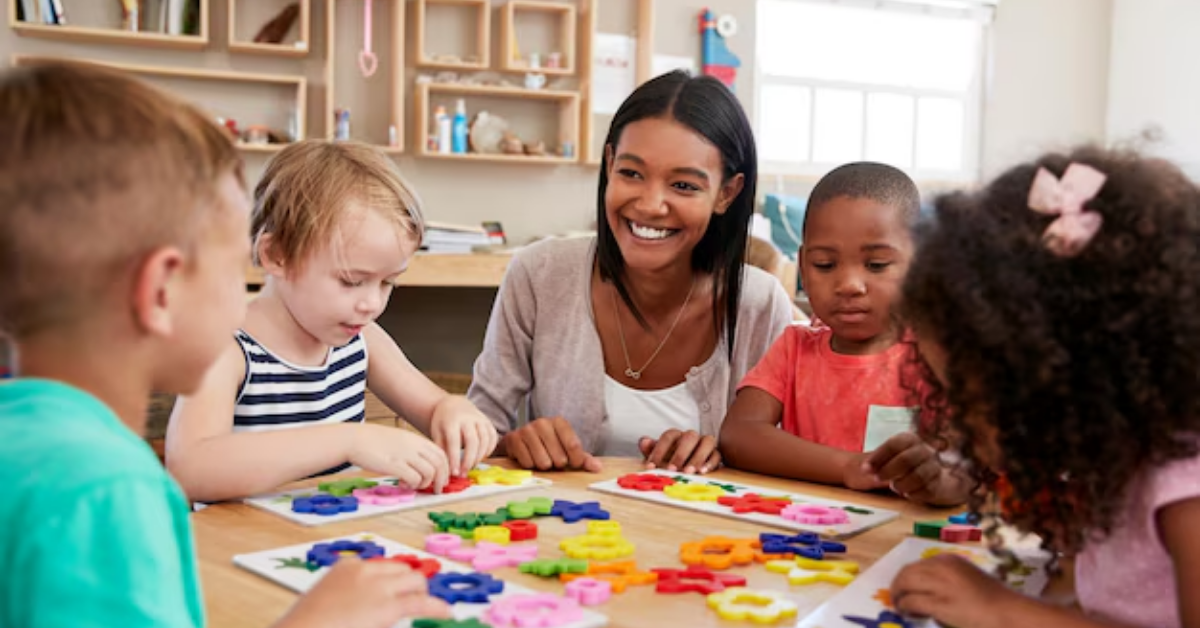
As parents, caregivers, and educators, one of our primary goals is to encourage positive behavior in children. While discipline is important, it’s often the use of positive reinforcement that has the most lasting impact on shaping behavior in a healthy and effective way. Positive reinforcement involves the practice of rewarding desirable behaviors, which encourages children to repeat those behaviors in the future. In this blog post, we will explore how positive reinforcement influences child behavior, the science behind it, and practical ways to implement it to encourage good habits.
What is Positive Reinforcement?
Positive reinforcement is a technique used in psychology and education to strengthen desired behaviors by providing a reward or positive outcome after the behavior occurs. It’s the principle of acknowledging and reinforcing good behavior rather than focusing solely on punishing undesirable actions. In essence, it’s about motivating children by making them feel recognized and valued for making good choices.
Positive reinforcement can come in many forms—praise, tangible rewards, extra playtime, or special privileges—and is tailored to fit a child’s interests and needs. By reinforcing positive behavior, children begin to associate good actions with rewards, which increases the likelihood that they will repeat those behaviors in the future.
The Science Behind Positive Reinforcement
Research in behavioral psychology supports the idea that positive reinforcement is highly effective in shaping behavior. One of the most famous theories in this field is B.F. Skinner’s operant conditioning, which posits that behavior can be modified by reinforcement or punishment. According to Skinner, when a behavior is followed by a positive outcome (a reinforcement), the behavior is more likely to be repeated.
In simple terms, the brain is wired to respond to rewards. When children receive positive reinforcement, their brains release dopamine—the “feel-good” neurotransmitter. This makes them feel good about their actions, and they are more likely to repeat those actions to experience that same sense of accomplishment or joy again.
Positive reinforcement not only helps in modifying behavior in the short term but can also have lasting effects on a child’s self-esteem, motivation, and social development.
The Benefits of Positive Reinforcement
Using positive reinforcement can have a significant and lasting impact on child behavior. Here are some of the key benefits:
1. Encourages Desired Behaviors
The most obvious benefit of positive reinforcement is its ability to promote desirable behaviors. When children receive praise or rewards for actions such as being kind to others, completing tasks on time, or following directions, they are more likely to continue engaging in those behaviors. This method teaches children the difference between right and wrong in a positive way, motivating them to make better choices moving forward.
2. Builds Self-Esteem and Confidence
Children who are consistently praised for their positive behavior develop a sense of accomplishment and self-worth. Positive reinforcement can be a powerful tool in boosting a child’s confidence and helping them feel good about themselves. This, in turn, leads to better self-esteem, a critical factor in their overall emotional development.
3. Promotes Long-Term Habit Formation
When positive behaviors are regularly reinforced, children begin to internalize them. Over time, they form habits that become second nature. For example, a child who is praised for cleaning up their toys after playtime is more likely to take the initiative to clean up without needing constant reminders. This not only helps in the immediate term but encourages lifelong habits of responsibility and respect for their environment.
4. Improves Motivation and Engagement
Children thrive on recognition. When they know that their efforts are being noticed and appreciated, they are more likely to stay motivated and engaged. Whether it’s in school, at home, or during extracurricular activities, children who experience positive reinforcement feel more driven to put forth their best efforts and achieve their goals.
5. Strengthens Parent-Child Relationships
Using positive reinforcement also strengthens the relationship between parents and children. By focusing on acknowledging positive actions rather than solely correcting negative ones, parents create a supportive and nurturing environment. This builds trust and improves communication, as children feel more connected and understood by their caregivers.
6. Helps Manage Challenging Behaviors
While it may seem counterintuitive, positive reinforcement can also be helpful in managing difficult behaviors. When a child is consistently rewarded for good behavior, they may be less likely to act out in order to gain attention. Over time, the child may choose to seek attention through positive actions, such as asking for help or communicating their needs in an appropriate manner.
How to Use Positive Reinforcement Effectively
While the concept of positive reinforcement is simple, its implementation requires consistency and intention. Here are some strategies for using positive reinforcement effectively with children:
1. Be Specific with Praise
Rather than offering general praise like “Good job!” it’s helpful to be specific about what behavior you are reinforcing. For example, saying “Great job putting your shoes away all by yourself!” reinforces the specific behavior you want to encourage. Specific praise helps children understand exactly what they did right and how it aligns with your expectations.
2. Use Timely Rewards
The timing of reinforcement is crucial. The reward should be given immediately after the desired behavior to create a strong association between the action and the positive outcome. For instance, if a child follows instructions promptly, provide praise or a reward right away, reinforcing the connection between the two.
3. Offer a Variety of Reinforcements
Different children respond to different types of reinforcement. Some may respond well to verbal praise, while others may prefer tangible rewards like stickers, extra playtime, or small treats. Some children might appreciate quality time or a special privilege, such as choosing the family movie for the evening. Understanding your child’s preferences will help you select the most motivating reinforcement for them.
4. Set Clear Expectations and Goals
Positive reinforcement works best when children understand what behavior is expected of them. Be clear about your expectations, and ensure that the behavior you are reinforcing aligns with your goals. For example, if you are trying to encourage reading, you might set a goal for the child to read for 15 minutes each day, rewarding them when they meet that goal.
5. Ensure Consistency
Consistency is key to the effectiveness of positive reinforcement. Children need to see that their efforts will always be met with some form of positive response. Inconsistent reinforcement can lead to confusion and frustration, making it harder for children to understand what is expected of them. Set a routine for rewarding good behavior, and make sure it is followed consistently.
6. Gradually Fade Out Rewards
While rewards are an effective tool in encouraging positive behavior, they should eventually become less frequent as children learn to internalize the behaviors. Start by offering tangible rewards frequently, but as the behavior becomes habitual, gradually decrease the rewards and increase praise. The ultimate goal is for the child to continue the behavior without needing constant reinforcement.
Potential Pitfalls to Avoid
While positive reinforcement is a powerful tool, it’s important to avoid certain pitfalls to ensure that it remains effective:
- Over-reliance on Tangible Rewards: Constantly using material rewards, such as toys or money, can diminish the intrinsic value of good behavior. Over time, children may become reliant on these external rewards rather than internalizing the behavior for its own sake.
- Reinforcing Negative Behavior: Positive reinforcement should only be used for desirable behaviors. It’s important to avoid inadvertently rewarding negative behavior by giving attention to tantrums or mischief. Instead, redirect the child to positive actions.
- Too Much Praise: While praise is crucial, offering too much praise for every small action can dilute its effectiveness. Make sure that praise feels sincere and meaningful rather than excessive or forced.
Establishing consistent routines is essential in reinforcing positive behaviors, as children thrive on structure and predictability. Learn more about the benefits of routine and structure for young children here. Additionally, balancing positive reinforcement with mindful screen time habits can further support healthy development. Discover strategies for managing screen time effectively here.
Conclusion
Positive reinforcement is one of the most effective strategies for shaping child behavior, fostering good habits, and nurturing a positive, supportive environment. By using reinforcement consistently and thoughtfully, parents and caregivers can encourage desirable behaviors, promote emotional growth, and strengthen relationships with their children. As children internalize these behaviors, they develop a stronger sense of self-worth, motivation, and the skills they need to succeed in school and life.
When used appropriately, positive reinforcement can be a powerful tool for raising happy, confident, and well-behaved children. By celebrating their successes, you not only reinforce their positive actions but also teach them the value of making good choices and working hard toward their goals.